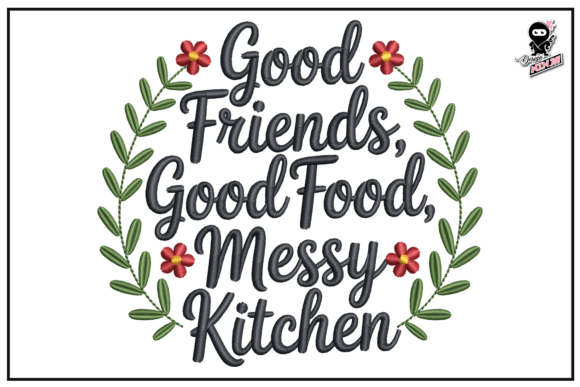
Good Friends, Good Food, Messy Kitchen
First Impressions: A Charming Mix of Humor and Heart
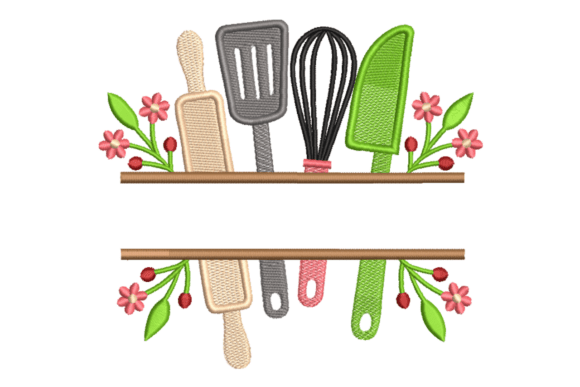
As an embroidery designer preparing for a weekend craft fair, the Good Friends, Good Food, Messy Kitchen design immediately caught my eye. It has that perfect blend of farmhouse charm and lighthearted humor that resonates with buyers looking for something relatable and warm. The title alone hints at a shared experience—kitchen chaos and joyful gatherings—making it a strong emotional hook for handmade products.
Where This Design Shines: Product Pairings That Sell
This machine embroidery design works exceptionally well on kitchen-themed items. From tea towel embroidery to apron embroidery, it feels at home in the space where friends and family gather. I tested it on a few sample products and found it particularly effective on:
- Reusable tote bags for market shoppers
- Aprons with a personalized touch
- Tea towels for giftable sets
- Embroidered patches for denim or linen pouches
- Small pillow covers for booth displays
For Etsy sellers and boutique makers, this design translates well into printable mockups and digital embroidery files that help buyers visualize the end product before purchase.
Visual Impact: From Booth to Online Listings
One of the biggest selling points of Good Friends, Good Food, Messy Kitchen is its readability and charm at a glance. Whether displayed on a physical booth table or in a digital product photo, it draws attention without being too busy. The message is clear and friendly, which is key for craft fair foot traffic and Etsy listing engagement.
It performs best as a medium-sized focal point rather than a small accent. When stitched on light cotton or linen, the text and design elements pop. However, on dark or textured fabrics like thick towels, some details may get lost unless you adjust thread contrast carefully.
Production Practicality: What You Need to Know Before Stitching
Batch production is definitely possible with this design, but there are a few production notes to keep in mind:
- Stitch density can be tight in some areas—especially around the lettering. Always test on scrap fabric before committing to final products.
- Watch for small lettering if you're reducing the size. The message may lose clarity under 2 inches.
- For curved surfaces like cap embroidery, consider using a smaller hoop or adjusting placement to avoid distortion.
- Use a quality stabilizer to prevent puckering, especially on soft or stretchy materials.
As with any machine embroidery design, always review the hoop size and thread colors included in the file before stitching a full run.
Design Versatility Across Handmade Products
The flexibility of Good Friends, Good Food, Messy Kitchen makes it a smart addition to your product lineup. Here's how it performs across common handmade items:
- Tote bag design: Perfect for casual shoppers—adds personality and makes a great gift.
- Apron embroidery: Ideal for boutique aprons with a personal message.
- Tea towel embroidery: Works beautifully as a central design or paired with coordinating motifs.
- Embroidered patch: Can be sewn onto pouches or bags for a handmade look without direct stitching.
- Cap embroidery: Fun and playful, but requires attention to placement and fabric texture.
Commercial Use and Licensing: Always Confirm Before Selling
If you're an Etsy seller or small shop owner offering finished products, make sure the digital embroidery file includes a commercial license. Many designs come with usage restrictions, so always verify before listing your handmade product for sale.
Final Thoughts: A Crowd-Pleaser for Craft Fairs and Online Shops
In a booth full of embroidered kitchen items, Good Friends, Good Food, Messy Kitchen stands out for its relatable charm and versatility. It’s a great example of how a well-written message can elevate a simple machine embroidery design into a memorable finished product.
For craft fair sellers and digital sellers alike, this design has real-world appeal and strong potential to convert casual booth browsers into paying customers. Just be sure to test it thoroughly, choose your fabric wisely, and present it in a way that highlights its handmade quality and emotional resonance.
Pro Tips Before You Stitch
- Test the design on scrap fabric before production
- Check thread contrast and spacing for clarity
- Confirm hoop size and stitch density
- Use the right stabilizer for your fabric type
- Create at least one real mockup before listing online
- Compare fabric colors to ensure text readability
- Verify commercial licensing for resale