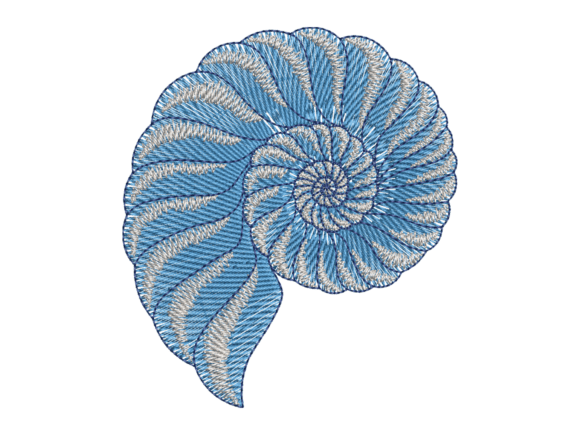
Blue Ammonite Fossil Shell Design
First Impressions: A Natural History Charm with Modern Craft Appeal
The Blue Ammonite Fossil Shell Design immediately strikes me as a piece rooted in natural history, yet perfectly suited for today’s handmade market. It feels elegant with a touch of rustic charm—ideal for craft fair buyers who appreciate subtle storytelling through design. The name itself evokes imagery of ancient seas and fossilized treasures, making it a conversation starter even before the stitching begins.
How This Design Performs Across Popular Craft Fair Products
This machine embroidery design shines best when placed on items that allow its intricate details to be appreciated up close. On tote bags and apron embroidery, it reads as a premium accent that elevates a simple item into a statement piece. For tea towel embroidery or kitchen linens, it adds a touch of soft elegance without overpowering the fabric. It also works well as an embroidered patch or on small fabric pouches, where the fossil-like lines can be clearly seen and admired.
When considering pillow covers or market bags, this design holds its own as a focal point, especially when paired with neutral backgrounds. It’s also a strong candidate for Etsy sellers creating nature-themed or educational handmade products—think dinosaur-themed baby items, science-inspired décor, or curated fossil collections for kids.
Practical Selling and Production Considerations
One of the first things I noticed is how easy this design is to understand at a glance. The fossilized shell motif is instantly recognizable, which is key for a busy craft fair environment where shoppers make quick decisions. It works best as a medium to large focal design rather than a small accent, as the fine lines can get lost when scaled down.
Photographically, the Blue Ammonite Fossil Shell Design stands out beautifully in printable mockups and product listings. Its clean lines and defined shape translate well into digital imagery, making it ideal for Etsy sellers and digital sellers building an online presence. However, I’d recommend testing it at different sizes before committing to a full batch, especially if you’re planning to use it on curved surfaces like caps or textured tea towels.
In terms of production, this design feels repeatable and consistent—important for small shop product runs. If you’re using it for commercial embroidery, be sure to confirm the licensing details included in the digital embroidery file before mass production.
Where to Use It and Where to Be Cautious
This design is particularly effective on smooth, tightly woven fabrics. It loses some clarity on thick or textured materials like denim or terry cloth towels. I’d also be cautious when stitching it on dark fabric, as the blue tones may not stand out clearly unless thread contrast is carefully considered.
Dense stitch areas are likely present in the shell’s detailed lines, so it’s important to use the right stabilizer and test on scrap fabric first. If you're embroidering on curved surfaces like caps or pouches, pay close attention to hoop placement and stitch density to avoid distortion.
Small lettering or fine details—should they exist in the file—could be problematic at reduced sizes. If you’re planning to use this as a subtle accent on a handmade gift, consider simplifying or enlarging the design slightly for better visibility.
Visual Appeal and Customer Engagement
From a booth display standpoint, the Blue Ammonite Fossil Shell Design adds a unique, educational flair that sets it apart from more common floral or holiday motifs. It draws in curious buyers—especially those with an interest in geology, history, or nature-inspired crafts. When placed on a well-curated display of craft fair products, it enhances the overall aesthetic and perceived value of your handmade items.
It also supports brand consistency if your shop focuses on nature, science, or educational themes. Using this design across multiple handmade products—like tote bags, pillow covers, and patches—creates a cohesive look that reinforces your brand identity.
Designer Notes: Pre-Production Checklist
- Test the design on scrap fabric before embroidering your final product, especially if using a new fabric type.
- Check thread contrast against your fabric to ensure the blue tones stand out clearly.
- Review spacing and alignment to prevent distortion on curved surfaces like caps or pouches.
- Confirm hoop size compatibility with your embroidery machine before stitching.
- Inspect stitch density for tight or overlapping areas that may cause puckering or fabric damage.
- Use the right stabilizer—especially for textured or stretchy fabrics.
- Create at least one real mockup to see how the design looks in person and how it photographs.
- Compare fabric colors under different lighting to ensure consistency in your finished product.
- Confirm commercial licensing included in the digital embroidery file before selling finished items.
Final Thoughts: A Strong Choice for Nature-Inspired Makers
The Blue Ammonite Fossil Shell Design is a thoughtful, visually engaging embroidery file that bridges the gap between science and craft. It’s especially well-suited for creative entrepreneurs and small shop product creators who want to offer something different in a saturated market. Whether used on booth samples, Etsy listings, or commercial embroidery runs, this design brings a sense of curiosity and quality that customers will appreciate.
As with any embroidery file, take time to understand its technical requirements and visual strengths before production. Once you do, you’ll find it to be a versatile and memorable addition to your lineup of handmade products for craft fairs and online markets alike.